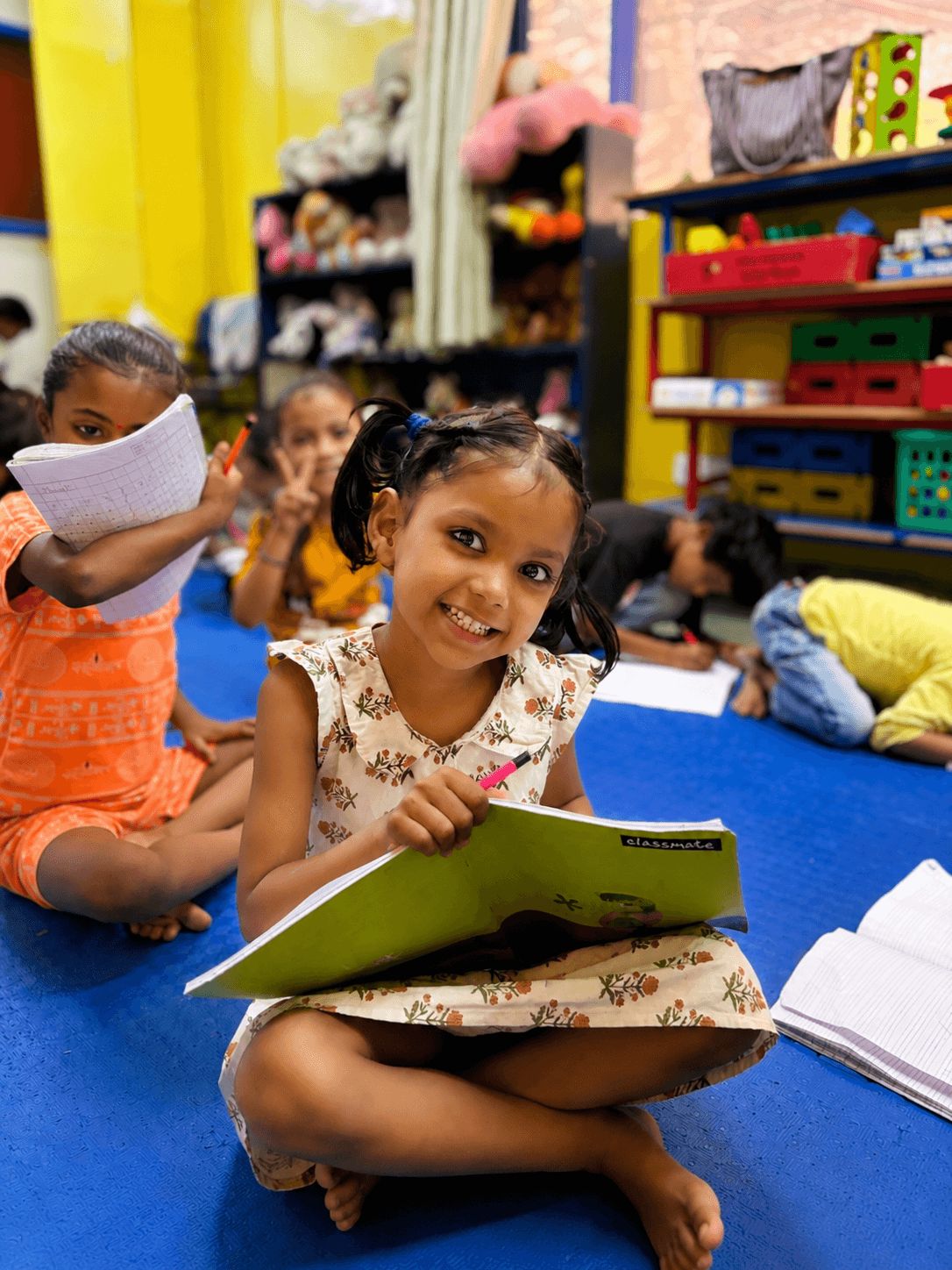
Child rights in India concern nearly 480 million children, every one of them born with the right to safety, education, healthcare and dignity.
Across India, government institutions, communities, families and civil society organisations all play an important role in helping children access these rights and opportunities. This page explores the international and national frameworks that define child rights in India, the challenges that persist, and how organisations like TARA work to make these rights a lived reality.
Child Rights Are Universal Human Rights
Child rights are internationally recognised human rights that apply to every child, regardless of background, religion, gender or economic situation.
India became a signatory to the United Nations Convention on the Rights of the Child (UNCRC) in 1992 and has since developed extensive child welfare and child protection systems.
Over recent decades, important progress has been made in education access, child protection legislation and awareness of children’s wellbeing. Translating these rights into lived reality for every child, particularly in vulnerable communities, remains an ongoing shared effort across government, civil society and communities.
The Four Pillars of Child Rights
Every child has the right to life, healthcare, nutrition and safe living conditions. This is the most fundamental pillar, underpinning all others. Despite progress, India’s National Family Health Survey (NFHS-6, 2023-24) shows that 29.3% of children in India remain stunted and 1 in 5 are wasted, underlining the continued importance of nutrition-focused interventions.
- Healthcare access
- Nutrition programmes
- Safe environments
- Child health initiatives
Children have the right to education, emotional development and opportunities to grow. In India, the Right to Education Act 2009 guarantees free and compulsory education for all children aged 6 to 14, with specific provisions supporting girls’ education.
- Access to education
- Early childhood development
- Emotional wellbeing
- Life skills and learning
Children should be protected from violence, abuse, exploitation and neglect. India’s Juvenile Justice Act, 2015 and the POCSO Act, 2012 form the legal backbone of child protection in India.
- Protection against abuse
- Child welfare systems
- Legal safeguards
- Protection from exploitation
Children have the right to express their views and participate in decisions affecting their lives. At TARA, child participation is a core principle of every programme.
- Freedom of expression
- Child participation
- Inclusive environments
- Respect for children’s voices
India’s Legal Framework for Child Rights
Sources: NFHS-5 (2019-21) · NFHS-6 (2023-24)
The National Family Health Survey (NFHS) is India’s most comprehensive health and nutrition survey, conducted by the Ministry of Health every 4-5 years and used as reference by the WHO, UNICEF and the Indian government.
India has developed a broad legal and institutional framework dedicated to child welfare, education and protection. Learn more from the National Commission for Protection of Child Rights (NCPCR) and the UNICEF India child rights overview. For a detailed breakdown of how these laws apply in practice, see our page on child protection in India.
Supporting Children Across Diverse Communities
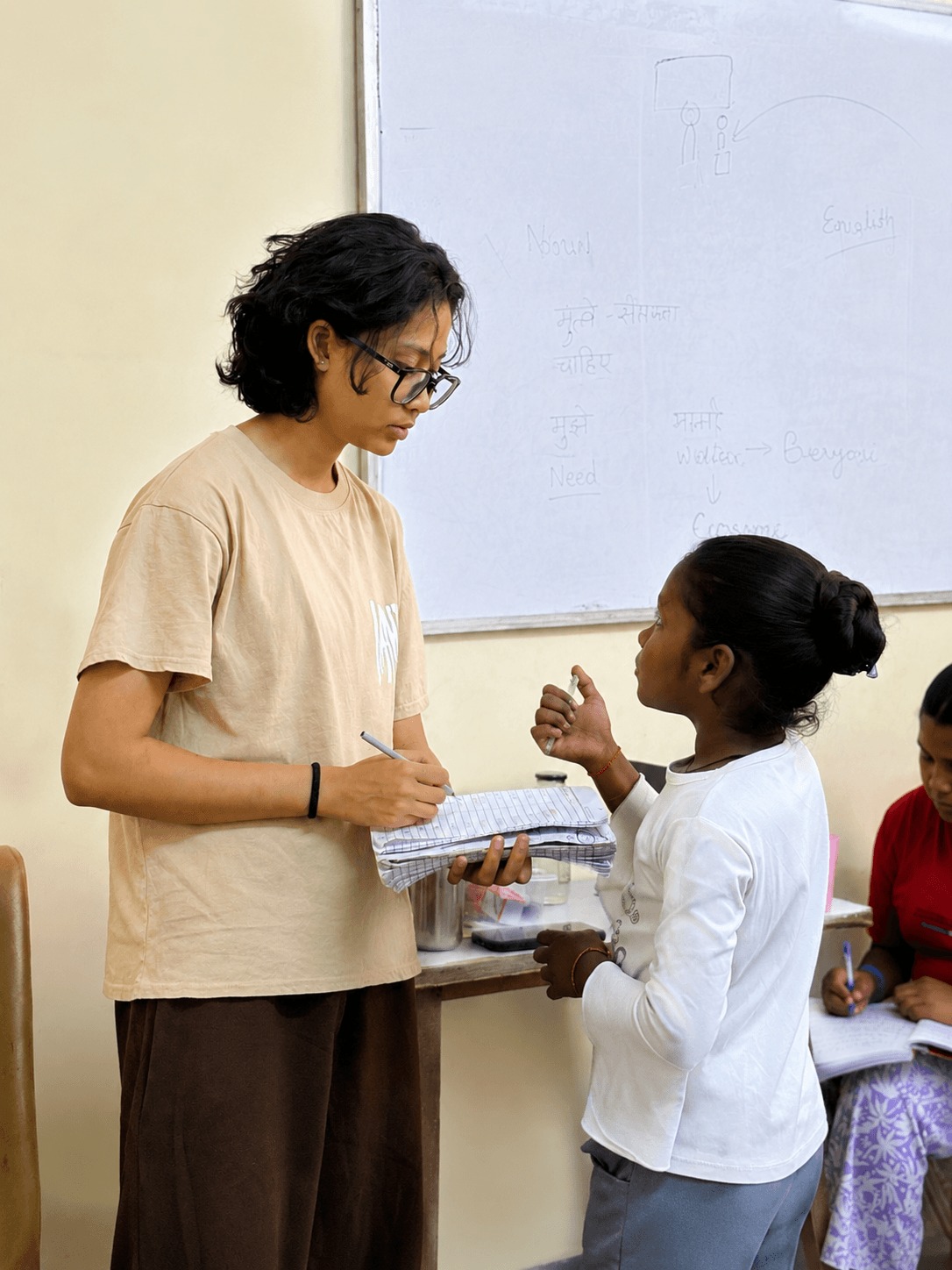
India’s size and diversity mean that children’s experiences can vary significantly between regions and socio-economic backgrounds.
Government agencies, schools, healthcare workers, NGOs and communities all contribute to strengthening child wellbeing. Education, family support and digital safety are three areas where coordinated efforts make the greatest difference.
Supporting school participation, strengthening community-based protection systems and promoting online awareness are key priorities for organisations working on the ground. TARA’s work in South Delhi is grounded in this approach, combining community outreach, family intervention and residential care to address child rights at every level.
Continuing Efforts and Future Priorities
Strengthening Access to Education
Helping children remain engaged in safe and supportive learning environments, with a particular focus on girls’ education in India.
Expanding Family Support
Supporting families helps create more stable and protective environments, reducing the need for institutional care.
Early Intervention
Early identification of risks can help children receive support before situations escalate, in line with Mission Vatsalya guidelines.
Mental Wellbeing
Emotional wellbeing is an increasingly important part of child development and a core component of TARA’s child protection approach.
How TARA Supports Child Rights in Delhi
TARA translates child rights into daily practice through four interconnected programmes in South Delhi. Each is designed in alignment with India’s national child protection framework. For a full overview, visit our child protection in India page.
TARA’s community outreach programmes work directly with vulnerable families and children living in at-risk environments across South Delhi.
Through educational support, psychosocial assistance, health follow-up and community engagement, TARA helps strengthen protective family environments and reduce risks that may lead to child neglect, abuse or family separation.
- Educational and emotional support for children
- Family counselling and home visits
- Health and hygiene awareness
- Prevention of school dropout and unsafe situations
TARA Family Intervention (TFI) is an open-environment child protection programme working alongside Child Welfare Committees and families to prevent unnecessary institutionalisation.
Instead of removing children from their communities whenever possible, TFI focuses on supporting families directly in their own environment through assessment, counselling, monitoring and protective follow-up.
- Family risk assessments
- Parental counselling and mediation
- Child protection monitoring
- Safe family reintegration support
For children who cannot safely remain with their families, TARA provides residential care focused on safety, stability, education and emotional wellbeing.
The programme aims to create supportive and child-friendly environments where children can recover, continue their education and prepare for long-term reintegration whenever possible.
- Safe accommodation and daily care
- Education and life-skills support
- Psychosocial care and counselling
- Individual child development plans
Young adults leaving institutional care often face major challenges related to housing, employment, emotional wellbeing and social integration.
TARA’s aftercare programme supports young adults during this transition period by helping them build independence, stability and long-term opportunities.
- Vocational and educational guidance
- Life-skills and independence support
- Emotional and social mentoring
- Transition planning for adulthood
Strengthening child protection systems also requires well-trained professionals working directly with vulnerable children and families.
Through the TARA Training Centre, the organisation provides capacity-building programmes for social workers, caregivers, educators and child protection professionals across India.
- Child protection and safeguarding training
- Trauma-informed care approaches
- Social work and case management support
- Professional development workshops
Every Child Deserves Opportunity, Safety and Dignity
Protecting children is a shared responsibility. Through long-term care, community support and child-focused programmes, TARA works to help vulnerable children in Delhi grow up in safer and more supportive environments.