Child support in India is a shared responsibility involving governments, communities, families and civil society organisations. For millions of vulnerable children across the country, access to education, safe care and basic health services is far from guaranteed.
India is home to nearly 480 million children under 18. A significant number grow up in poverty, face early school dropout, domestic instability or exploitation. Effective child support in India requires long-term, community-rooted engagement rather than short-term interventions.
Child Support in India: The Broader Picture
Child support in India takes many forms. The Indian government provides institutional frameworks through the Juvenile Justice Act 2015, the Right to Education Act 2009 and the POCSO Act 2012. Child Welfare Committees operate in every district to oversee the protection of children in need of care.
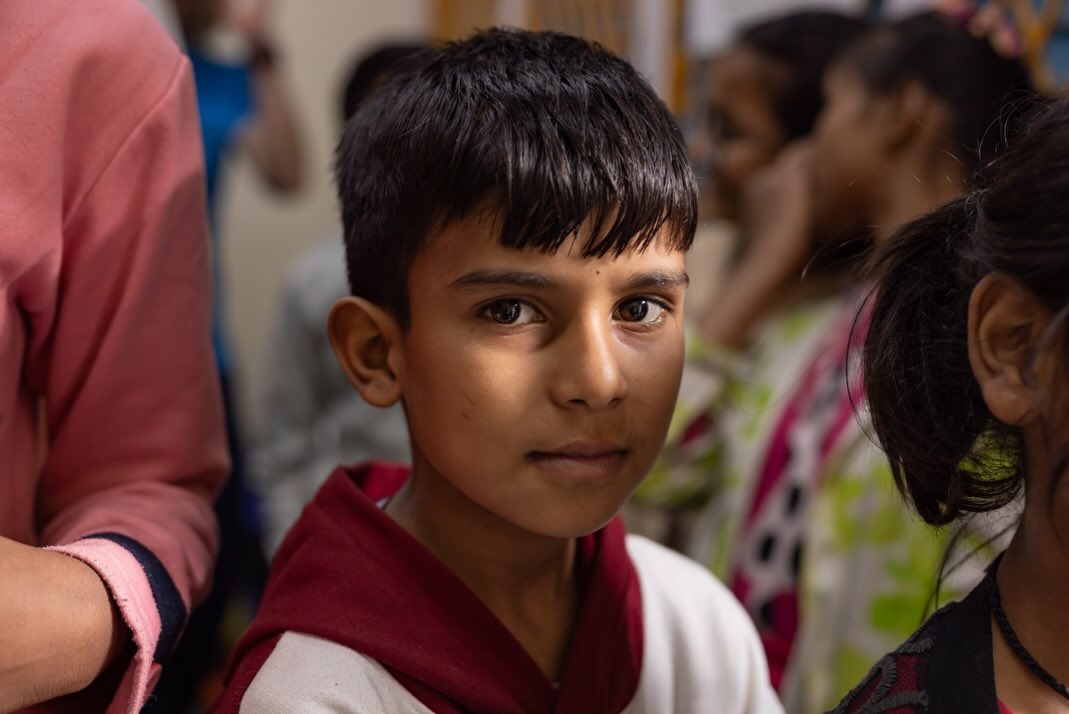
In practice, however, the gap between legislation and lived reality remains wide. Children from low-income families, resettlement colonies and marginalised communities often fall outside the reach of formal systems. Poverty, illiterate parents, unsafe home environments and lack of supervision push children towards school dropout, child labour and exploitation.
This is where civil society organisations play a critical role. By working directly in communities, they provide the consistent, trusted presence that government systems alone cannot offer. Learn more about the legal framework from the National Commission for Protection of Child Rights and UNICEF India.
© Marie Hodiesne
What Effective Child Support in India Looks Like
Research and field experience consistently show that effective child support in India combines several elements working together over the long term.
Education continuity
Keeping children in school is the single most effective protection against exploitation. Academic support, tutoring and attendance monitoring all make a measurable difference.
Family involvement
Supporting parents alongside children produces lasting results. Family counselling, home visits and community engagement build protective environments that outlast any programme.
Safe spaces
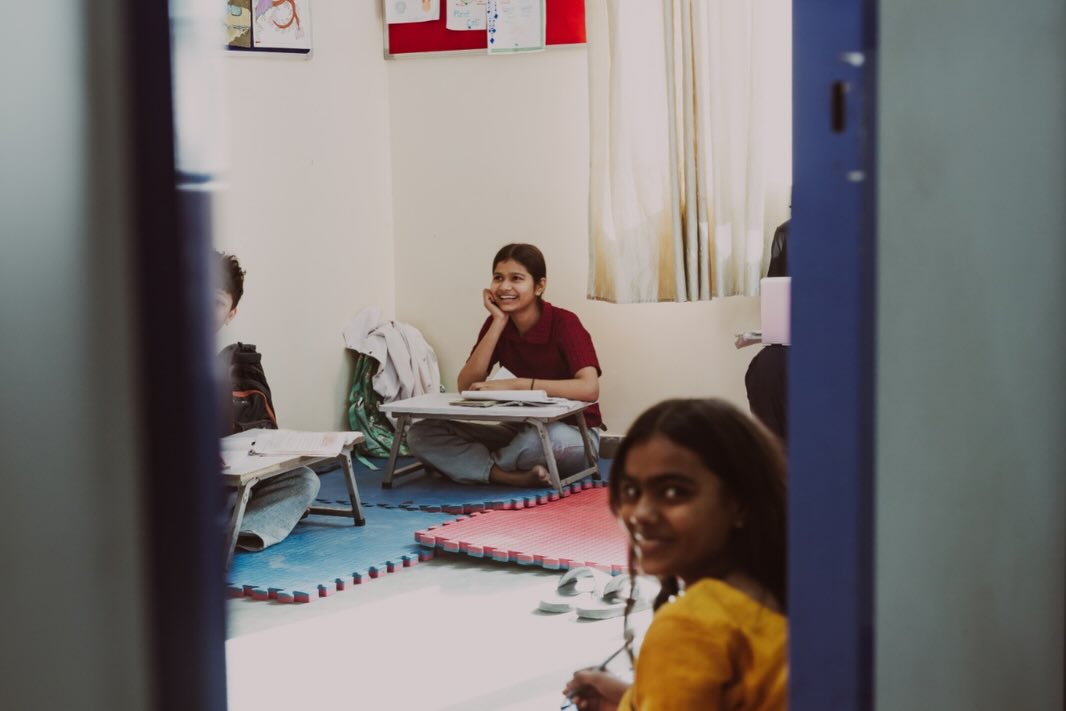
Children who have access to a safe, supervised environment outside the home are significantly less likely to drop out or face exploitation. Day centres and residential homes both serve this function.
Long-term accompaniment
Short interventions rarely produce lasting change. Children need consistent, trusted adults over years, not weeks. Aftercare for young adults leaving institutional care is equally essential.
TARA: 18 Years of Child Support in New Delhi
TARA has been providing child support in India since 2008. In 2026, TARA directly supports 677 beneficiaries, including children, young adults and trained caregivers, across its programmes.
65% of children in TARA Homes come from households with incapacitated caregivers, a parent with severe illness, addiction or imprisonment. A further 19% have experienced neglect or abuse directly.
In the outreach centres of Saidulajab and Sanjay Colony, a resettlement colony housing textile industry labourers, children are at serious risk of dropping out of school. Over 90% say TARA is their main space of safety and growth outside the home.
Since 2025, TARA has also launched a Family Intervention Programme, working directly with families in crisis to prevent children from being unnecessarily removed from their homes, currently supporting 29 active cases.
How TARA Delivers Child Support in India
🏘️ Community Outreach
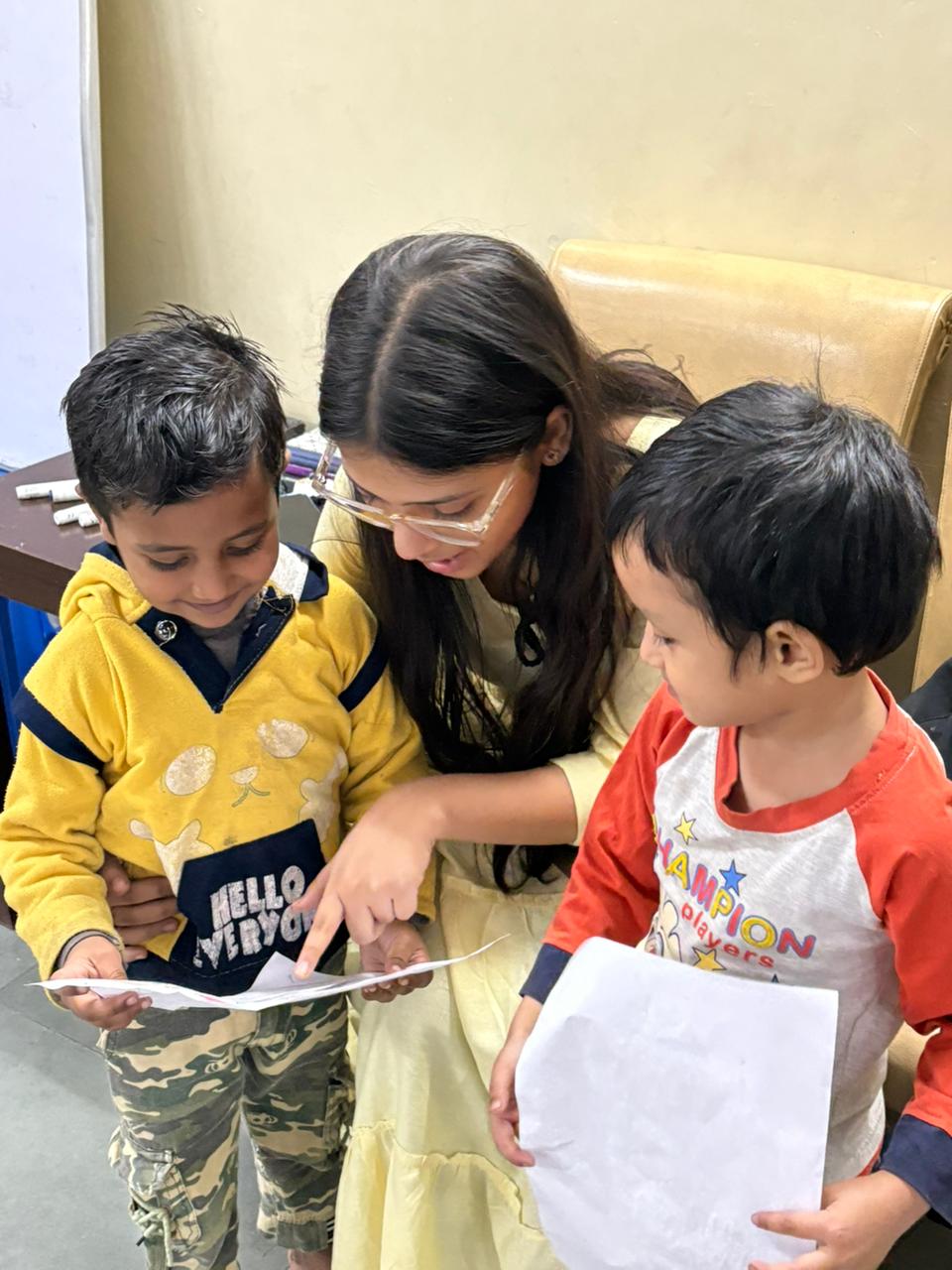
Safe day centres in South Delhi keeping over 200 children in school each quarter, with educational support, health camps, family counselling and a Family Intervention Programme.
🏠 Residential Care
Three registered children’s homes for children in need of care and protection, offering safety, nutrition, education and healing, with family reintegration as the goal whenever possible.
🎓 Aftercare
Supporting 15 young adults leaving care with housing, internships, college access and mentoring, because turning 18 does not mean being ready to face the world alone.
Our Results in 2026
70%+
of children performing at grade level in English, Hindi and Maths
9%
staff turnover, the lowest in 5 years, ensuring continuity of care
+18%
increase in emotional comfort at school among outreach children
1,211
direct beneficiaries projected by 2030, up from 406 in 2023
How to Support a Child in India
© Marie Hodiesne
Supporting a child in India through TARA means accompanying them for years, not weeks. Children are supported from early childhood through to adulthood in some cases. That long-term continuity is what produces real, lasting change.
TARA is run by ONYVA, an Indian Public Trust established in 2009 and fully compliant with Indian law. Our audited accounts are publicly available at taraindia.org. We are also listed on Benevity for employer-matched donations.
Be the Reason a Child Thrives
From 406 children in 2023 to over 1,200 by 2030, your support makes that growth possible, one child at a time.