TARA’s community outreach and child protection programmes bring support directly to vulnerable families in South Delhi, helping prevent child abuse, family breakdown, and unnecessary separation of children from their homes.
Our approach aligns with the Juvenile Justice Act, 2015, the Mission Vatsalya guidelines, and the decisions of the Child Welfare Committees (CWC), all of which prioritise family support over institutionalisation.
Our three programmes
Located in Saidulajab, a dense migrant settlement in South Delhi, this centre was TARA’s first community outreach programme. TARA identifies and reaches out to vulnerable families proactively, participation is voluntary but actively encouraged.
- Identification and outreach to vulnerable families by TARA community mobilisers
- Assessment of family risks and needs
- Daily educational support across four groups adapted to each child’s level and situation: Nursery (ages 3 to 6), Bridge (school reintegration), Open (flexible attendance for the most precarious situations) and Intensive (regular attendees, individual academic focus)
- Administrative support, access to government schemes, identity documents, school enrolment
- Psychosocial support for children, parents or both when needed
- Family strengthening through home visits and counselling
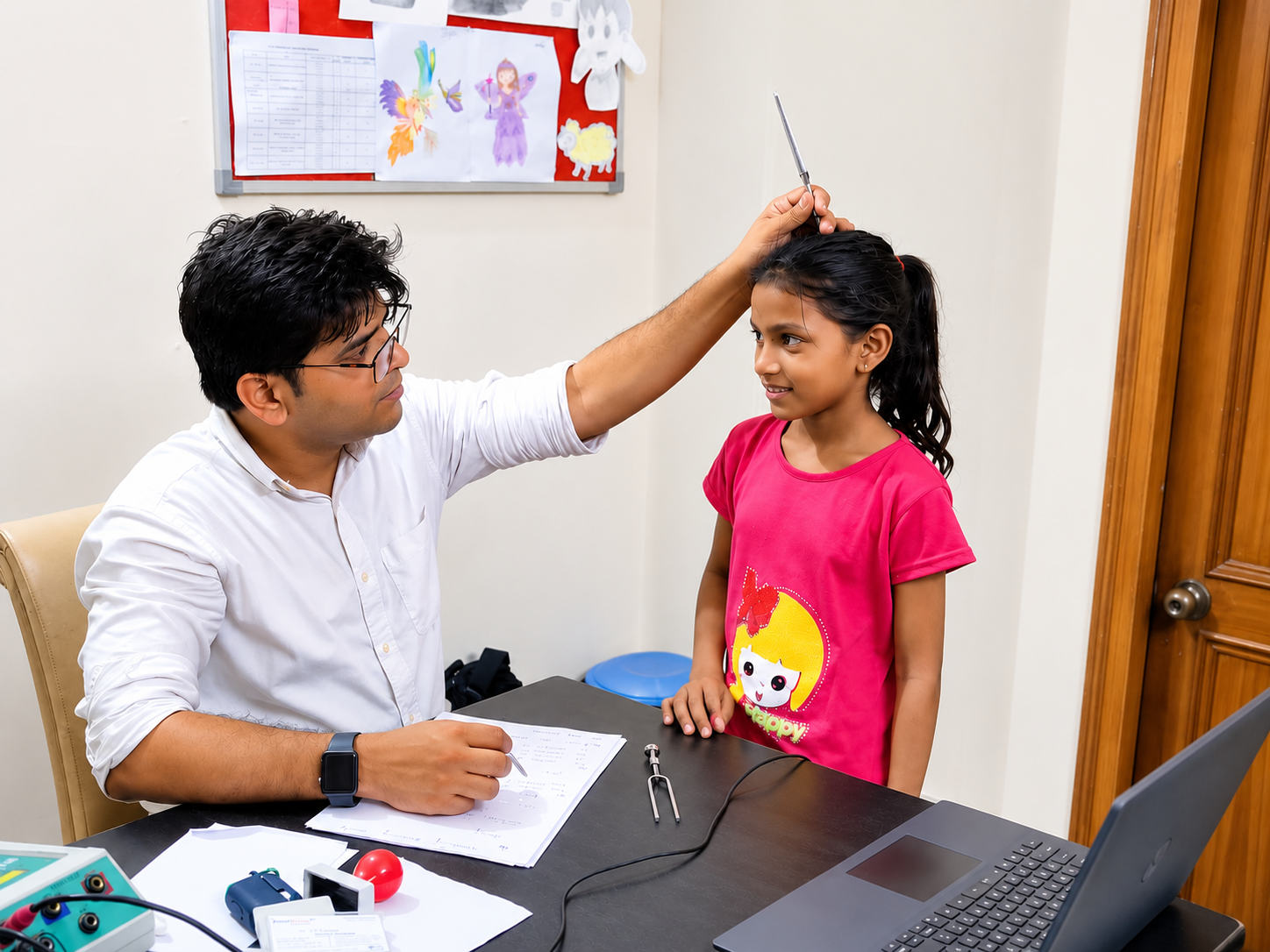
- Family health camps, dental, eye and skin screenings for children and parents
- Regular follow-up and monitoring of each family
Opened in December 2024 following a six-month needs assessment, this centre is located in Sanjay Colony, a resettlement colony in Okhla Industrial Area, home to families of unorganised textile industry workers. Early results show strong community trust, particularly among mothers seeking support for young children.
- Identification and outreach to vulnerable families by TARA community mobilisers
- Assessment of family risks and needs
- Daily educational support across four groups adapted to each child’s level and situation: Nursery (ages 3 to 6), Bridge (school reintegration), Open (flexible attendance for the most precarious situations) and Intensive (regular attendees, individual academic focus)
- Administrative support, access to government schemes, identity documents, school enrolment
- Psychosocial support for children, parents or both when needed
- Family strengthening through home visits and counselling
- Family health camps, dental, eye and skin screenings for children and parents
- Regular follow-up and monitoring of each family
TFI operates within a formal child protection framework. When a child is presented to a Child Welfare Committee, the CWC can mandate TARA to assess the family and provide structured follow-up. Participation is compulsory for the families concerned.
TFI works alongside the CWC to ensure that children are only returned to their families when it is safe to do so, and that families receive the support they need to make that possible.
- Formal risk and needs assessment mandated by the CWC
- Family strengthening, counselling and guidance for parents
- Educational support and school follow-up for the child
- Administrative support, access to government entitlements and documentation
- Psychosocial support for the child, parents or both depending on the case
- Structured follow-up and regular reporting to the CWC
- Safe reintegration monitoring, a child only returns home when conditions are met
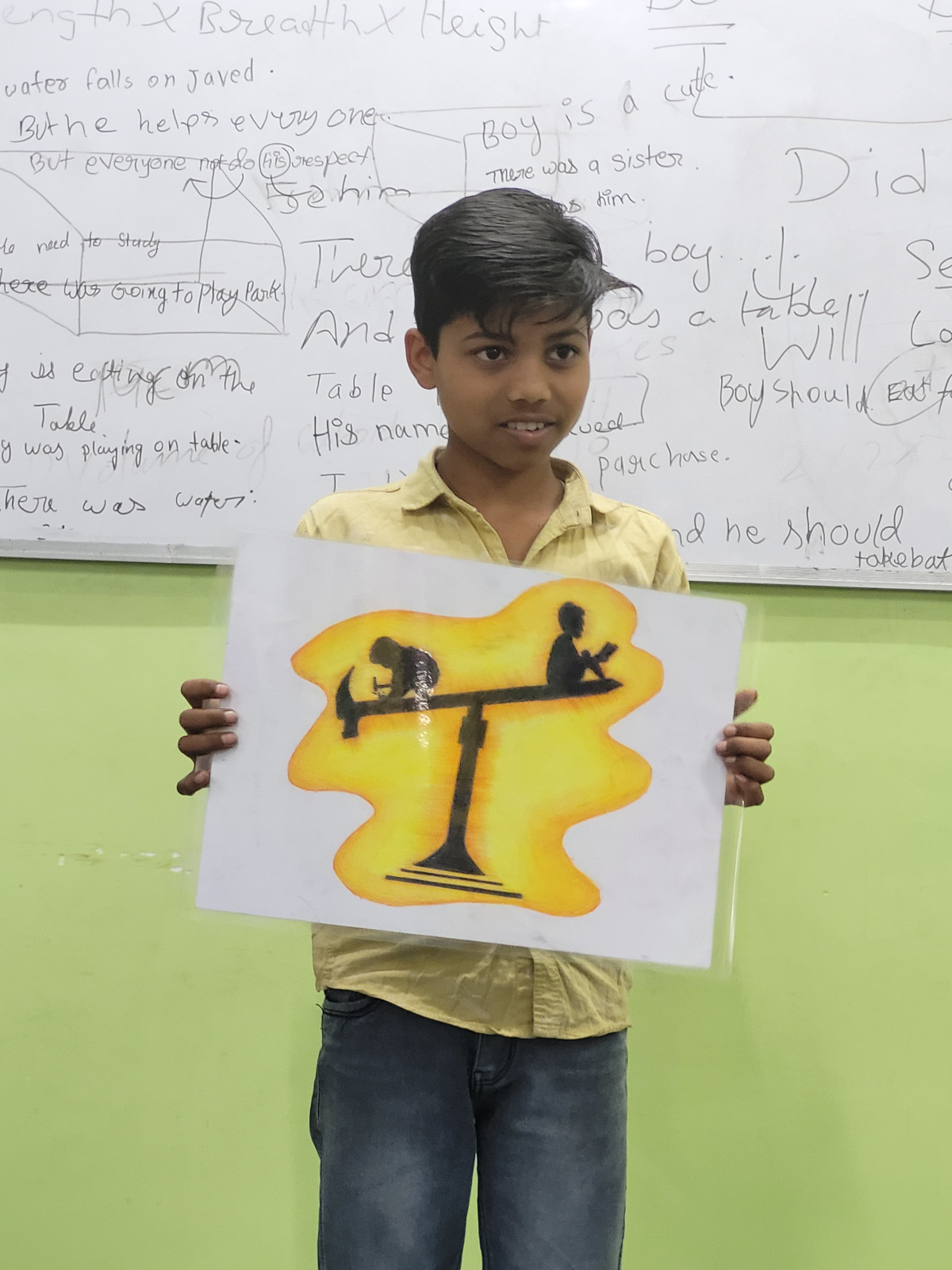
Raju finds his voice
Raju, a shy nine-year-old who never spoke in class, was elected Children’s Representative after two years at the centre. He delivered his first public speech in English, a milestone for a child who once struggled to say his name aloud.
Confidence and belonging matter as much as academics. TOC gives children a safe space to grow as whole people.
Our impact (2023–2025)
Education
School comfort rose by 18% after joining TOC. Attendance in structured groups reaches 63%, significant for first-generation learners.
Family strengthening
Over 80% of children face medium or high risk in at least one domain. Home visits and counselling reduce these risks and stabilise families.
Safety
More than half of children consider TOC their safest daily environment. Health camps also reached 59 parents and 31 community members.
A survey of children aged 6–14 shows why they come to TOC: 93% for education, 63–71% for play and socialisation, 47–54% for friendship and belonging. TOC is more than a learning space, it is a protective social environment.
Where we work
A dense migrant settlement facing instability, poor housing, and limited access to schools and healthcare. The centre can host more than 130 children each day.
Opened following a needs assessment. The first months show strong community acceptance, especially from mothers seeking early childhood support.
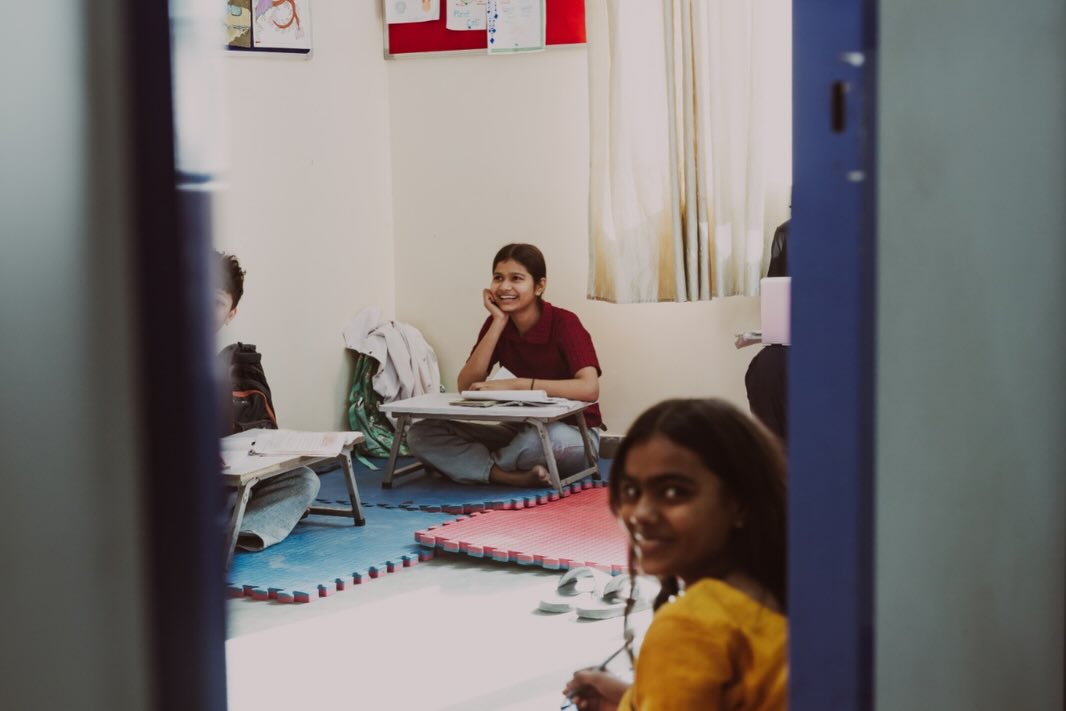
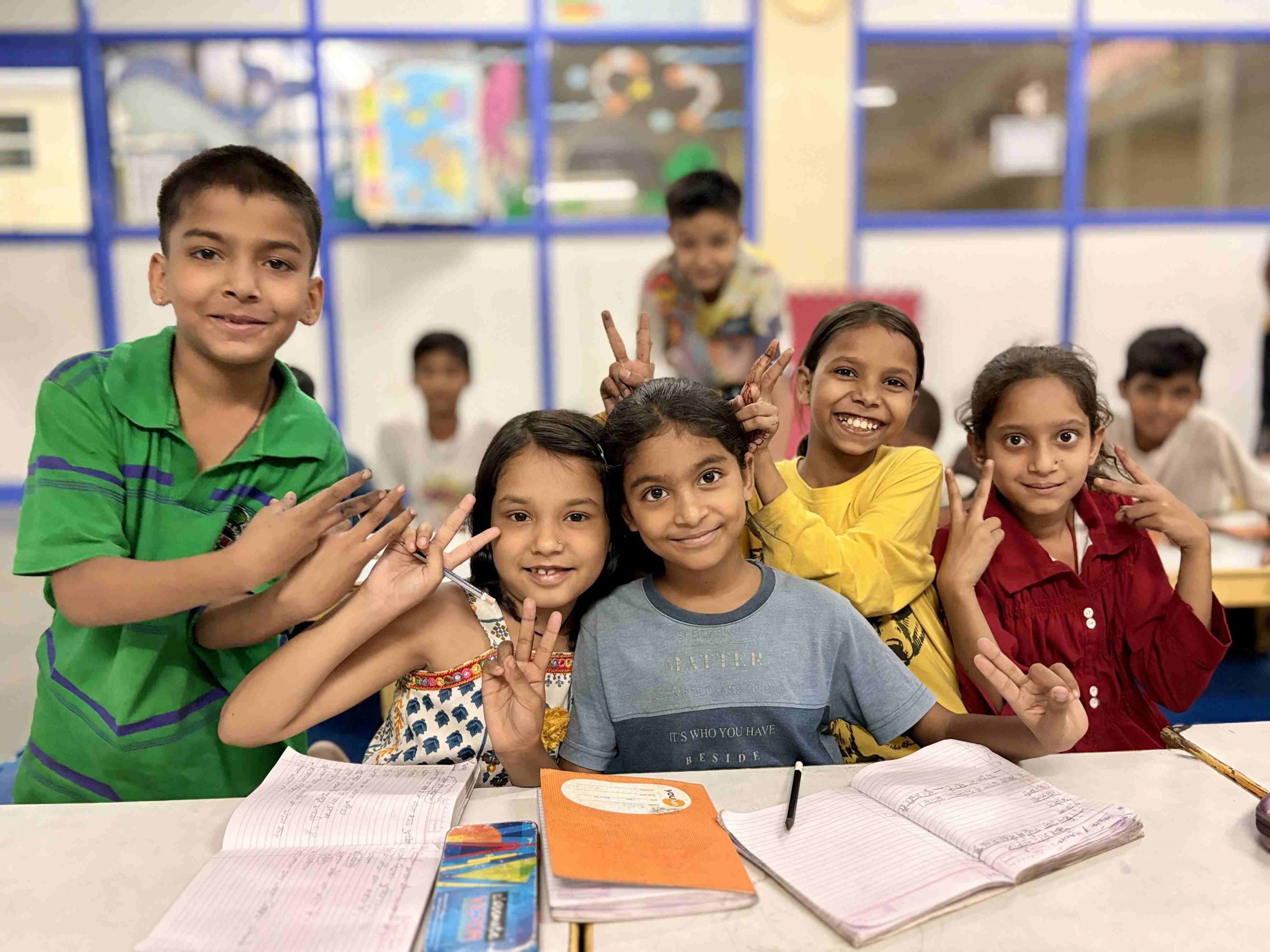
Life at the TARA Outreach Centres
Why prevention matters
Preventing institutionalisation is explicitly recommended by the Juvenile Justice Act and Mission Vatsalya Guidelines. Keeping a child safely within their family is less traumatic, less costly, and more effective long term.
Children stay connected to siblings, school, and their community.
Family-based support produces better long-term outcomes for children.
Every child has the right to grow up in a family when it is safe to do so.
Support our community work
Our priority is to strengthen families and protect children before a crisis escalates. If you’d like to learn more or receive our Impact Assessments, reach out through the contact form.